
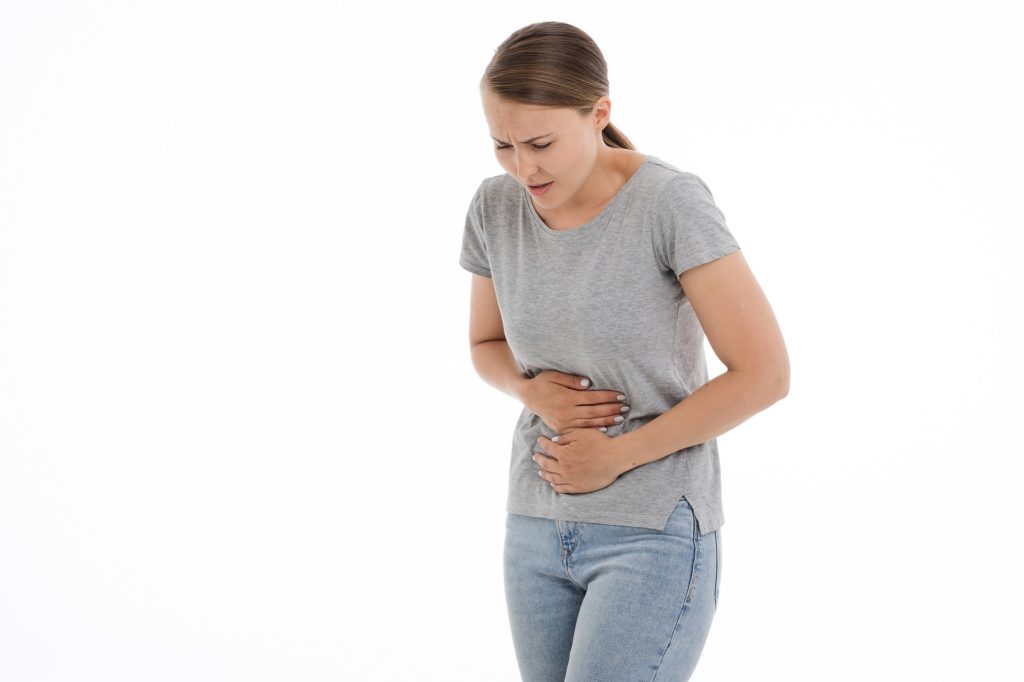
Being diagnosed with diverticular disease is no death sentence, though you do have to follow a diverticulitis diet. The diet includes a list of food that you should either eat or avoid if you have diverticulosis, or are suffering from diverticulitis.
Doctors recommend avoiding alcohol, which can be difficult for someone with alcohol abuse. Alcoholism is a form of addiction that causes a person to drink – both frequently and in unhealthy amounts – despite its consequences.
Alcohol rehab can help with cravings and keep you off alcohol. But one thing you should know is that alcohol recovery is a lifelong process with a possibility for relapse. Drinking, especially if it’s been a while, can cause diverticulitis.
Besides alcohol, there is other food you need to avoid if you have diverticulosis.
What is Diverticulosis?
Diverticulosis is a digestive condition where pockets are called ‘diverticula’ form on the intestinal tract. These pockets develop when pressure from the inner intestinal wall pushes against weak spots of the lining.
Who is at risk for diverticulosis?
Diverticular disease is a hereditary condition that can be passed on genetically from one generation to another. So, if you have parents, grandparents, or siblings with diverticulosis, there’s a chance you might have it too.
Diverticulosis is more common in men than in women. The risk for diverticulosis also increases with age. It usually affects people aged 60 years and older.
What causes diverticulosis?
While there are factors that predispose you to diverticulosis, doctors aren’t sure of its exact cause.
Many believe muscle spasms and straining during bowel movements cause it. Both of these lead to pressure building up inside the intestines. If your intestinal lining is weak, or if the pressure is simply too much, it will start to bulge in vulnerable spots.
Other doctors believe that a low-fiber diet may also be a reason behind diverticulosis.
What are the symptoms of diverticulosis?
A person who has diverticulitis may experience…
- Abdominal pain or cramps
- Bloating
- Constipation
- Diarrhea
What is Diverticulitis?
Diverticulitis occurs when there is inflammation or infection of the intestinal pouches (diverticula).
Who is at risk for diverticulitis?
Anyone who has diverticulosis is at risk for diverticulitis. Other factors that increase your risk include:
- Being 40 years or older
- Cigarette smoking
- Being overweight
- Sedentary lifestyle
- High fat and low-fiber diet
People who take steroids, opioids, and non-steroidal anti-inflammatory medications also have a higher risk of developing it.
What causes diverticulitis
Diverticulitis is caused by perforations, tears, or blockage of fecal matter on the diverticula.
What are the symptoms of diverticulitis?
Abdominal cramping on the left side which goes away after a bowel movement or passing gas is one sign. The presence of bright red blood on the stool is another symptom.
Diverticulitis can be acute or chronic:
- Acute diverticulitis is characterized by alternating periods of recovery and severe flare-ups.
- Chronic diverticulitis is defined by a persistent infection or inflammation of the diverticula.
Diverticulosis vs Diverticulitis: What You Need to Know
Both digestive conditions have similarities as well as differences. However, there are only three things to keep in mind here:
Fact #1: Diverticulosis is relatively harmless
Even though it’s a chronic illness, mild symptoms that do not get worse with time accompany diverticulosis. You can practically live with it for the majority of your life and not be aware you have it.
Fact #2: Diverticulitis can lead to serious complications
It can cause intestinal abscesses, scarring, and fistulas if left untreated. Depending on the severity of symptoms, it may require antibiotics, hospitalization, surgery, and other procedures.
Fact #3: Managing diverticulosis prevents diverticulitis
The best way to prevent diverticulitis and its consequent health complications is to manage your diverticulosis. This is best done with a diverticulosis diet.
A Quick Guide to the Diverticulosis Diet
The diverticulosis diet has one basic principle, and that is to increase your fiber intake. However, you shouldn’t just eat any type of fiber. Ideally, you must incorporate insoluble fiber into your diet.
This type of fiber cannot be digested or absorbed by your body. It adds bulk to your stool, which allows for their easier passage across your intestines.
Not only does this prevent constipation, abdominal straining, and pressure buildup in the colon. For people with diverticulosis, it also prevents the formation and blockage of diverticula, as well as the eventual development of diverticulitis.
Examples of high-fiber food you can add to your diet include:
- Whole-grain foods
- Whole fruits and vegetables
- Beans and legumes
- Nuts and seeds
How is it different from the diverticulitis diet?
This particular diet is only recommended for people with diverticulitis. Meaning, there must be an infection or inflammation of the diverticula.
The goal of the diverticulitis diet is to lessen stress along the intestinal tract. It can be achieved with a clear liquid diet which limits your intake to:
- Clear juices with no pulp (i.e. apple)
- Soups and broths
- Popsicles
- Jell-O
Once the swelling decreases, you will be shifted to a high-protein, high-carbohydrate, and low-fiber diet. Here are some examples of these foods:
- Canned or cooked fruits and vegetables with no seed or skin
- Milk and other dairy products
- Ground or tender meats
- White bread, rice, or pasta
More fiber can be added to your diet as soon as your symptoms improve. You can switch back to a high-fiber diverticulosis diet when you no longer have symptoms.
Alcohol Abuse and Diverticulosis
Unknown to many, alcohol has a significant impact on the gastrointestinal tract. If you suffer from alcohol abuse, these negative effects are further amplified since drinking is heavier and more frequent.
Alcohol impairs the movement of food as it passes through your intestine. A decreased motility in the lower intestine (rectosigmoid) has been specifically associated with the development of diverticulosis.
Studies have also shown that alcohol drinkers have a higher risk of developing diverticulosis and diverticular bleeding.
Diverticulosis: More Reasons for Alcohol Rehab
Diverticulosis and alcohol use disorder are both lifelong conditions that call for long-term management. If you suffer from both, alcohol recovery programs can help address these conditions.
At Roots Through Recovery, we offer alcohol rehab for anyone who wishes to quit drinking and stay sober. Just visit our alcohol rehab center in Long Beach, CA located at 3939 Atlantic Ave, Suite 102 Long Beach, CA 90807 or call (866) 766-8776.
