
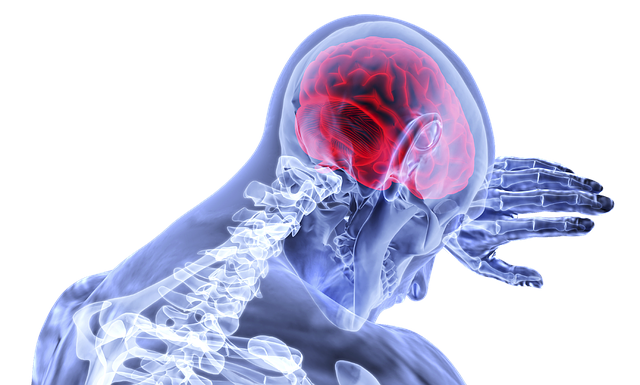
Drug and alcohol use can change the brain’s structure, chemistry, and ability to function. Some substances carry particularly high risks for neurotoxicity. Here’s a quick, evidence-based look at five of the most damaging drugs for the brain and the research behind them.
1. Methamphetamine
Methamphetamine (meth) is among the most neurotoxic substances documented in human and animal studies.
How it harms the brain
-
Damages dopamine and serotonin neurons (NIDA, 2020)
-
Causes reductions in grey-matter volume in the frontal cortex and limbic system (Thompson et al., J Neurosci, 2004)
-
Impairs memory, attention, and executive functioning (Scott et al., Neuropsychology Review, 2007)
Quick stat
Heavy meth use can reduce dopamine transporters in the brain by up to 24% (Volkow et al., JAMA, 2001).
2. Alcohol
Alcohol is legal and widely used, but chronic heavy use is strongly linked to structural and chemical brain changes.
How it harms the brain
-
Shrinks brain volume, especially in the frontal lobes (NIH, 2023)
-
Causes thiamine deficiency leading to Wernicke–Korsakoff syndrome
-
Impairs neuroplasticity and learning, especially in teens (Squeglia et al., Alcoholism: Clinical & Experimental Research, 2015)
Quick stat
Even moderate drinking is associated with reduced global brain volume (Topiwala et al., BMJ, 2017).
3. Cocaine & Crack Cocaine
Cocaine overstimulates the reward system and restricts blood flow to the brain.
How it harms the brain
-
Reduces functioning in the prefrontal cortex (Bolla et al., NeuroImage, 2004)
-
Increases risk of stroke due to vasoconstriction (CDC)
-
Impairs attention, decision-making, and emotion regulation
Quick stat
People who use cocaine have significantly reduced grey matter in decision-making regions (Ersche et al., Brain, 2011).
4. Heroin & Other Opioids
Opioids affect areas of the brain related to reward, breathing, and emotional regulation.
How it harms the brain
-
Decreases natural dopamine production
-
Suppresses breathing — overdose can cause hypoxic brain injury (CDC)
-
Alters the brain’s reward circuitry, leading to compulsive use
Quick stat
Brains of people with opioid use disorder show reduced white matter integrity affecting decision-making and stress response (Upadhyay et al., Addiction Biology, 2010).
5. Inhalants (Aerosols, Solvents, Gases)
Inhalants are often overlooked but cause some of the most immediate and irreversible brain damage.
How they harm the brain
-
Kill neurons through oxygen deprivation
-
Damage the myelin sheath around nerve fibers (NIDA, 2021)
-
Impair cerebellar function, affecting movement and coordination
Quick stat
Chronic inhalant use is associated with severe brain atrophy, similar to traumatic brain injury (Filley et al., The Lancet Neurology, 2004).
Which Brain Regions Are Most Affected?
Most brain-damaging substances impact:
-
Prefrontal cortex — decision-making, impulse control
-
Hippocampus — learning, memory
-
Basal ganglia — motivation and reward
-
Cerebellum — coordination and balance
-
Amygdala — emotional regulation
(NIDA Brain Circuitry Model)
Can the Brain Recover?
Yes, the brain has a remarkable ability to heal — but it depends on the substance, length of use, and overall health.
Supportive interventions that promote recovery include:
-
Abstinence
-
Medication-assisted treatment (for opioids, alcohol)
-
Trauma-focused therapies like EMDR
-
Exercise, nutrition, and sleep
-
Cognitive rehabilitation
-
Safe, stable housing
Studies show large improvements in cognitive functioning after 12–18 months of abstinence for many substances (NIH).
Need Help?
Roots Through Recovery offers trauma-informed addiction treatment, including outpatient services, IOP, MAT, and Recovery Bridge Housing for Medi-Cal beneficiaries in Long Beach and surrounding areas.
You’re not alone. Help is available.
Disclaimer: This post serves a strictly educational use. It does not necessarily reflect the services, products, or therapeutic approaches of this establishment or its healthcare practitioners. The purpose of this blog is not to advertise the products, services, or therapeutic approaches of any other establishment that may be associated with this site. On the subject of safe or legal services, products, and appropriate therapies, recommendations ought to be given by a qualified professional on a case-to-case basis.
References (with links)
Methamphetamine
-
Volkow ND et al. “Dopamine transporter losses in methamphetamine abusers.” JAMA (2001).
https://pubmed.ncbi.nlm.nih.gov/11311097/ -
Thompson PM et al. “Structural abnormalities in the brains of human subjects who use methamphetamine.” J Neurosci (2004).
https://pubmed.ncbi.nlm.nih.gov/15590909/ -
Scott JC et al. “Neurocognitive effects of methamphetamine: a review.” Neuropsychology Review (2007).
https://pubmed.ncbi.nlm.nih.gov/17912674/
Alcohol
-
Topiwala A et al. “Moderate alcohol consumption as risk factor for brain damage.” BMJ (2017).
https://www.bmj.com/content/357/bmj.j2353 -
NIH News. “Alcohol-related brain damage.” (2023).
https://www.niaaa.nih.gov/publications/brochures-and-fact-sheets/alcohols-damaging-effects-brain -
Squeglia LM et al. “Alcohol use and adolescent brain development.” Alcohol Clin Exp Res (2015).
https://pubmed.ncbi.nlm.nih.gov/25833016/
Cocaine
-
Bolla KI et al. “Reduced frontal cortical functioning in cocaine abusers.” NeuroImage (2004).
https://pubmed.ncbi.nlm.nih.gov/15325387/ -
Ersche KD et al. “Abnormal brain structure implicated in stimulant drug addiction.” Brain (2011).
https://pubmed.ncbi.nlm.nih.gov/21371992/ -
CDC — “Cocaine and Stroke.”
https://www.cdc.gov/stroke/stroke_risk_factors.htm
Opioids
-
Upadhyay J et al. “White matter integrity deficits in chronic heroin users.” Addiction Biology (2010).
https://pubmed.ncbi.nlm.nih.gov/20579005/ -
CDC — “Opioid Overdose and Hypoxia.”
https://www.cdc.gov/overdose/prevention/index.html -
NIDA — “How do opioids affect the brain?”
https://nida.nih.gov/publications/drugfacts/heroin
Inhalants
-
Filley CM et al. “Chronic toxic encephalopathy from inhalant abuse.” The Lancet Neurology (2004).
https://pubmed.ncbi.nlm.nih.gov/15556808/ -
NIDA — “Inhalants DrugFacts.”
https://nida.nih.gov/publications/drugfacts/inhalants
Brain Recovery
-
NIH/NIDA — “The brain can recover from addiction-related changes.”
https://nida.nih.gov/publications/drugfacts/treatment-approaches-drug-addiction -
Wang G et al. “Recovery of brain function with abstinence.” PNAS (2012).
https://pubmed.ncbi.nlm.nih.gov/22393010/
